Online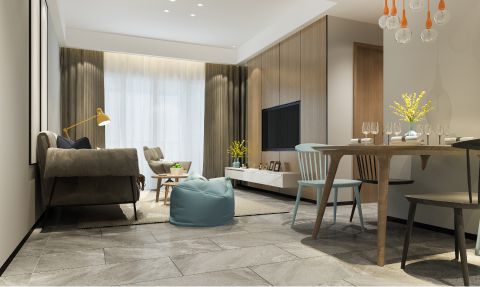

 Home
Home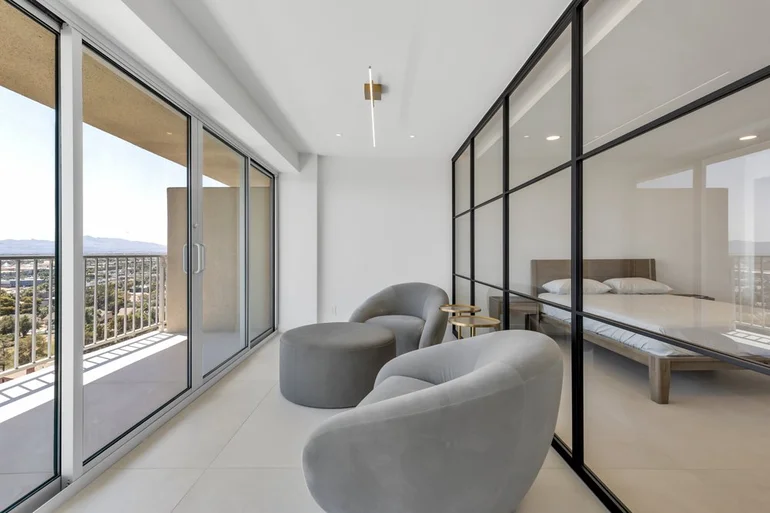

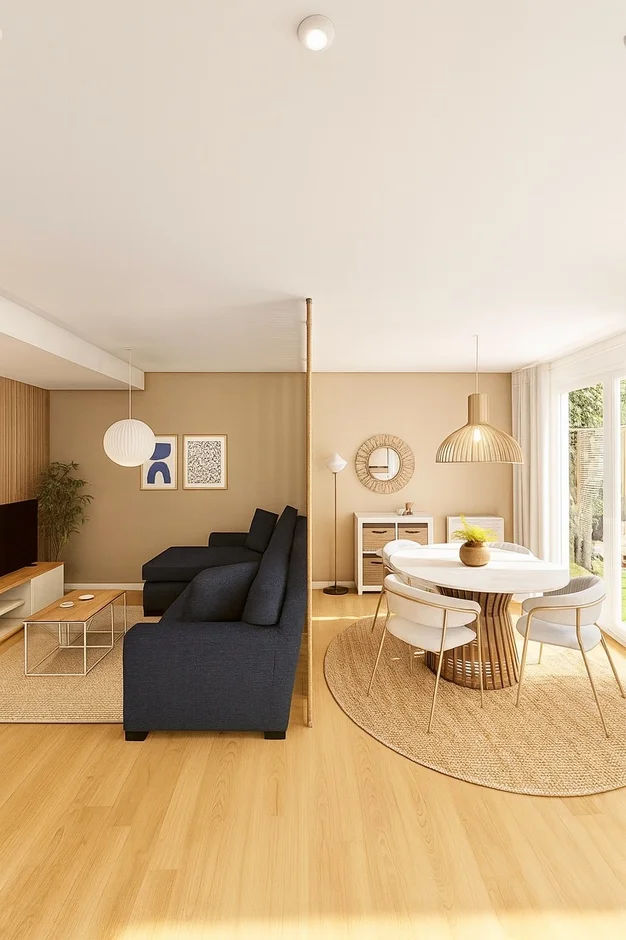
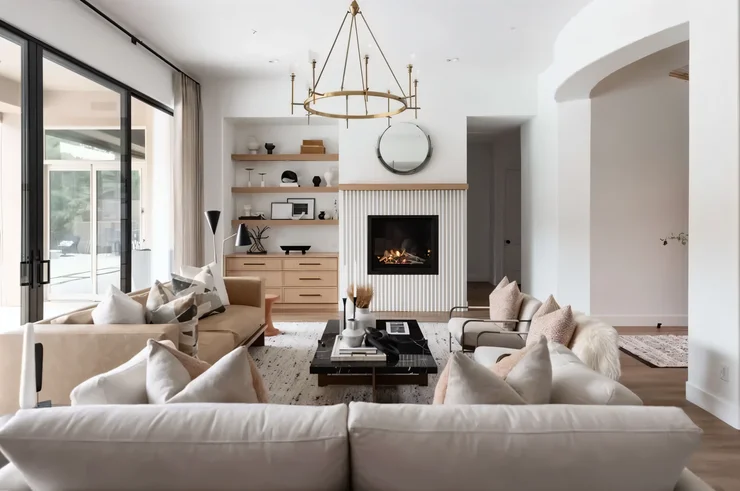
When a home starts to feel too tight, moving is not always the best solution. Many homeowners would rather improve the house they already enjoy than leave the block, the school district, or the routines they have built over time. A well-planned addition can create the extra room you need while keeping the location and character of the property intact. That is why so many families begin researching home addition contractors Chicago when their current layout no longer supports daily life.
The right addition is about more than gaining square footage. It should improve the way the home works as a whole. A new room, expanded living area, larger kitchen footprint, or private suite should feel integrated with the existing structure instead of looking like an afterthought. Good planning helps the new space connect naturally to the rest of the home in terms of circulation, proportion, light, and finish continuity.
For homeowners considering home additions Chicago, the first step is usually identifying the real reason the house feels limited. In some homes, the family has grown and the available bedrooms no longer make sense. In others, the main living area feels undersized, the kitchen lacks breathing room, or there is no practical place for guests, work, or changing household needs. Understanding that core problem helps shape a project that is useful, not just larger.
Why homeowners choose an addition instead of a move
Moving can seem like the obvious answer when space runs short, but it also comes with its own costs, compromises, and disruption. Many owners already like their home’s location, lot, and neighborhood. They may want to stay close to work, schools, parks, family, or a familiar community. In those cases, adding onto the current house can be a smarter long-term decision than starting over somewhere else.
A thoughtful addition can help solve space pressure without sacrificing what already works. That is one reason Chicago home additions continue to appeal to homeowners who want more room but do not want to give up the advantages of staying put. Instead of settling for a layout that no longer fits or taking on the uncertainty of a move, an addition can help the home evolve with the people living in it.
Another important benefit is control. When you remodel and expand your current property, you can shape the new space around your actual needs. You are not waiting to find a home with the right extra room, hoping the layout is close enough, or accepting tradeoffs in other areas. You are creating a better fit directly.
What a home addition can help you achieve
A strong home addition Chicago project should do more than add walls and square footage. It should improve comfort, flow, and flexibility across the entire house. The most successful additions solve a real daily-life issue and make the home easier to live in.
- Create an extra bedroom for a growing household
- Expand a kitchen or living area that feels too cramped
- Add a dedicated home office or study space
- Improve privacy with a guest suite or separate retreat
- Make room for hobbies, family time, or long-term lifestyle changes
- Reduce the feeling that every room is working too hard
When the addition is planned well, it does not just give you more space. It helps the home breathe. Circulation becomes easier. Gathering areas feel more usable. Private rooms feel more comfortable. The house begins to support daily routines instead of forcing the household to work around existing limitations.
Common reasons homeowners decide to expand
Every project starts with a different need, but a few patterns come up often. Some households need another bedroom because children are sharing a room longer than expected or because multigenerational living has become part of everyday life. Others need to expand the main floor because the kitchen, dining, and living spaces feel disconnected or too small for regular use.
Some additions are driven by lifestyle change. Remote work may make a dedicated office more important. Frequent guests may require more privacy and comfort. As routines shift over time, the old footprint of the home may stop making sense. In each of these cases, an addition can help the property catch up with the way people actually live now.
Planning for function before size
It is easy to focus on square footage, but the best additions are not necessarily the largest ones. They are the ones that solve the right problem in the right way. That is why clear planning matters early. Before deciding how big the new area should be, it helps to define how it should work, how it will connect to the existing house, and what impact it should have on everyday life.
Homeowners often begin speaking with home addition builders Chicago after realizing they need more than a surface-level update. Once the conversation turns to how the house could function better overall, the project becomes less about simply building outward and more about improving the property in a thoughtful, lasting way.
Questions that help shape the right plan include:
- Which current space problem is causing the most frustration?
- How should the new area connect to the rest of the house?
- Will the addition support one main purpose or several uses?
- What should remain consistent between the existing home and the new space?
- How can the addition improve the layout beyond the new square footage itself?
Why integration matters in any addition project
An addition should not feel detached from the house around it. Even when it serves a very specific purpose, the new space should look and feel connected to the structure, circulation, and overall character of the home. That means transitions matter. Sight lines matter. Proportion matters. Interior flow matters.
When homeowners start comparing options for a Chicago home additions contractor, it helps to look beyond the idea of “extra room” alone. The real question is whether the new area will improve the overall house in a natural way. A good addition should feel like it belongs there. It should support the rest of the home rather than competing with it.
This is especially important when expanding living rooms, kitchens, family spaces, or primary suites. The new footprint has to work with existing circulation, furniture placement, light, and how the home is used day to day. Integration is what helps an addition feel complete instead of patched on.
Room additions can solve focused space problems
Not every project needs a broad whole-house expansion. Sometimes the smartest move is a targeted room addition Chicago that solves one major limitation well. A single new bedroom, office, den, sunroom-style living area, or private guest space can have a major effect on how comfortable the house feels.
Targeted additions are often useful when the existing home works reasonably well overall but is missing one important function. In those cases, adding the right room may create enough relief to improve the entire property without a larger full-scale redesign.
How it works
Most successful addition projects follow a clear process. Understanding the sequence can make the work feel more manageable and help homeowners prepare for key decisions along the way.
- Initial consultation — Start by identifying why the current home feels limited and what kind of space would create the biggest improvement.
- Site review and layout discussion — Review the property, existing structure, and the ways an addition could connect to the home naturally.
- Scope development — Turn the project goals into a practical expansion plan with defined priorities, room purpose, and overall direction.
- Design coordination and selections — Align layout details, materials, finishes, and transitions so the new area feels cohesive with the rest of the house.
- Construction phase — Complete the building work according to the approved scope and sequence of the project.
- Final walkthrough — Review the finished addition and confirm that the new space supports the original goals for comfort, function, and flow.
Benefits of a well-planned home addition
A carefully planned addition can improve more than square footage. It can change the way the entire home performs and make daily life noticeably easier.
- Creates more space without leaving the current property
- Improves layout and circulation when planned as part of the whole house
- Supports changing family, work, or guest needs
- Gives underperforming homes more flexibility
- Helps align the property with long-term use instead of short-term compromise
- Makes existing rooms feel less crowded and more functional
The real value of an addition comes from how it solves pressure points. A better bedroom arrangement, more open family space, or improved separation between public and private areas can make the home feel very different, even beyond the extra square footage itself.
Examples of addition goals homeowners often have
Expanding the main living area
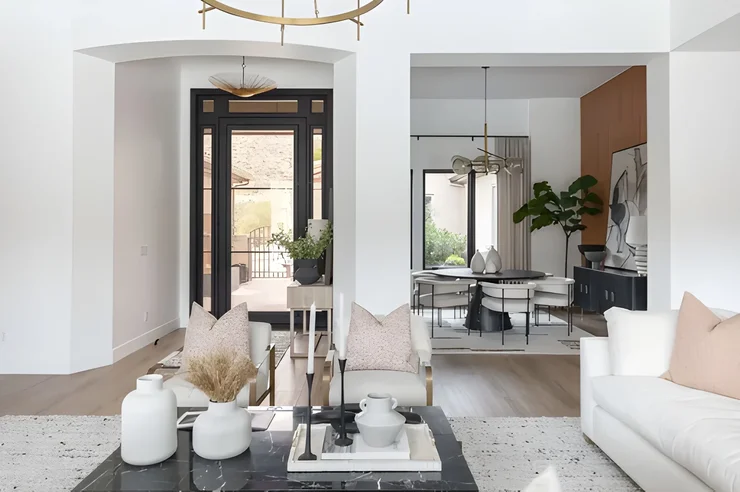
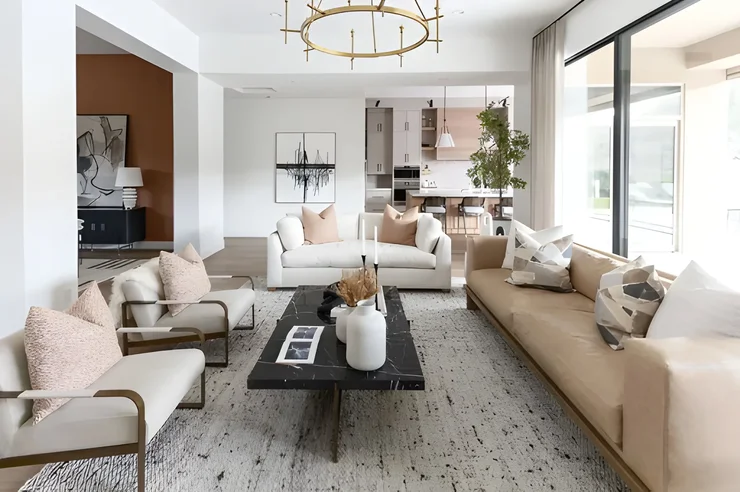
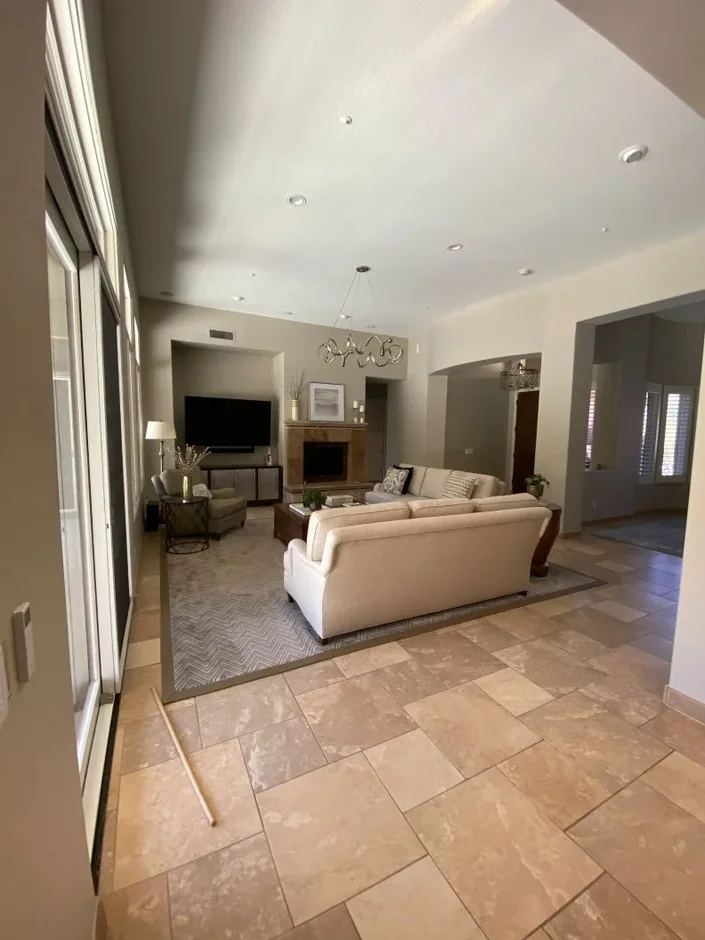
Some homes feel tight because the common spaces are too small for daily routines, gatherings, or family time. Expanding the living area can create better flow, more comfortable seating options, and a stronger connection between adjacent rooms.
Adding a new bedroom or guest suite
When households grow or guests stay often, another bedroom can become one of the most practical ways to improve comfort. A well-placed addition can create more privacy and reduce pressure on the rest of the house.
Creating a dedicated home office
In homes where work has moved permanently or partially indoors, a dedicated office can improve focus and reduce overlap with bedrooms, dining areas, or living rooms. Even a modest addition can make the entire house function better by giving work a defined place.
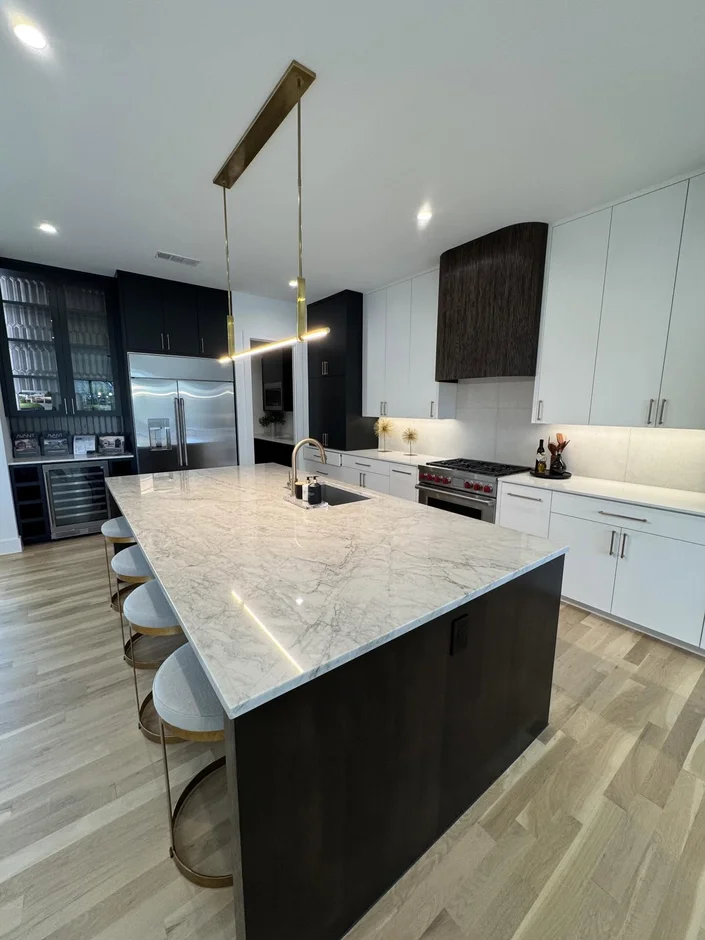
Making the kitchen footprint more usable
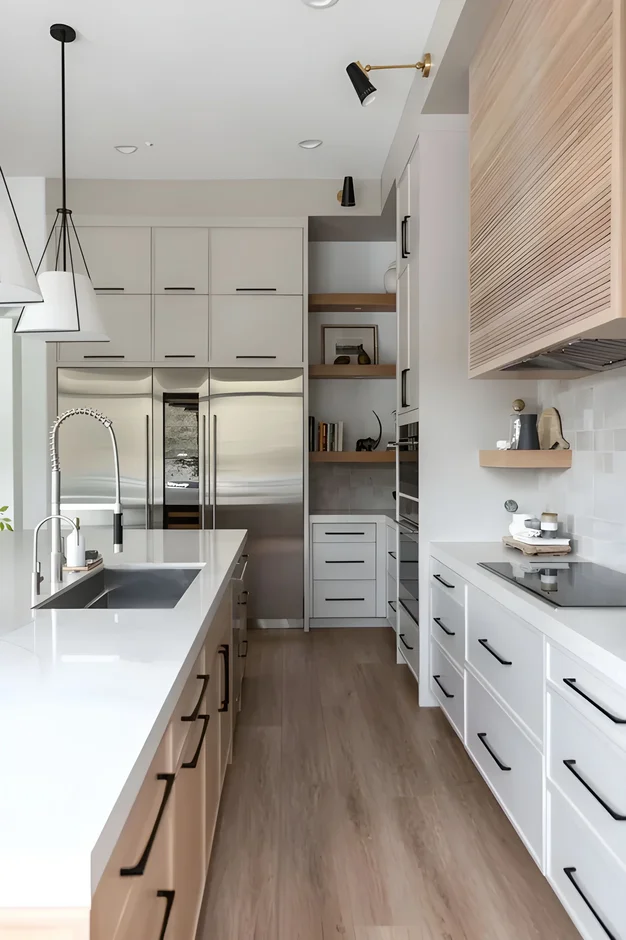
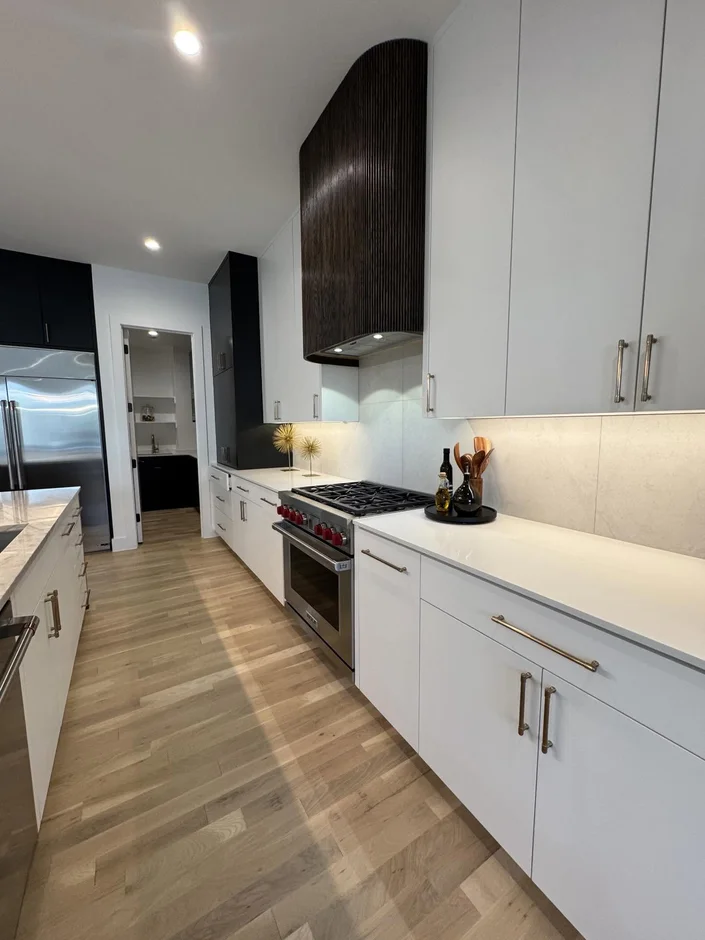
Some addition projects focus less on a single new room and more on giving an existing area enough space to work properly. Kitchen expansions are often driven by circulation, storage, and the need for a better relationship between cooking, dining, and everyday family use.
What homeowners should think about early
Before moving forward, it helps to think clearly about how the addition should change daily life. That means more than choosing a room type. It means considering how the new space should feel, how private it should be, how it should connect to existing rooms, and how the expansion fits the home’s broader direction.
It also helps to think about priorities. Is the goal primarily more room, better privacy, improved flow, or a combination of all three? Is this a solution for current needs only, or should it also support longer-term plans? A clear sense of purpose makes the project easier to shape and often leads to better results.
Why additions work best when the whole house is considered
Even when the work centers on one new room or one side of the property, the addition affects the entire home. It changes movement, balance, room relationships, and how people use existing spaces. That is why the strongest results come from looking at the bigger picture rather than treating the new area as a separate box attached to the house.
A thoughtful expansion should create a better living experience across the property, not just within the added square footage. In many cases, the greatest improvement is not the new room itself, but the way the rest of the house starts working better once space pressure is reduced.
Frequently Asked Questions
Is building an addition better than moving?
That depends on the home, the location, and your priorities. For many homeowners, adding space makes sense when they already like the property and want to improve function without leaving the area.
What types of rooms can be added to a home?
Additions can be used for bedrooms, offices, expanded living spaces, guest areas, dining spaces, or other functions depending on what the home currently lacks.
Do all additions need to be large to make a difference?
No. A focused addition can have a major impact when it solves the right problem. A well-placed new room may improve the whole house more than a larger but less strategic expansion.
How do I decide what kind of addition I need?
Start with the biggest source of frustration in the home. If you know which daily-use problem needs to be solved first, it becomes much easier to define the right kind of added space.
Should an addition match the rest of the house?
In most cases, yes. The new area should feel connected to the existing home in a way that makes the property feel cohesive rather than pieced together.
Ready to plan your addition?
If your home no longer has the space or layout your household needs, an addition can be a practical way to create more comfort without giving up the place you already know. Whether you need another bedroom, a better living area, more privacy, or a flexible new room, the right project can help the house support daily life more naturally.
Contact chicago-renovation.com to discuss your goals, review expansion ideas, and start planning a home addition that feels useful, connected, and built around the way you live.