Online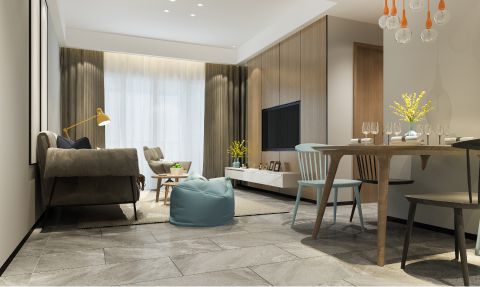

 Home
Home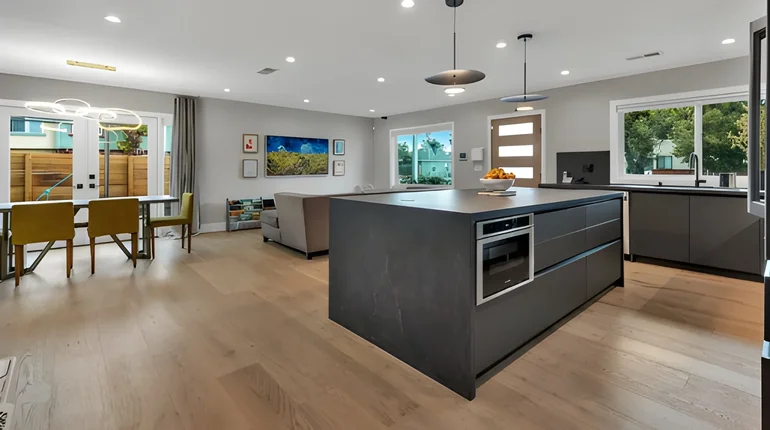


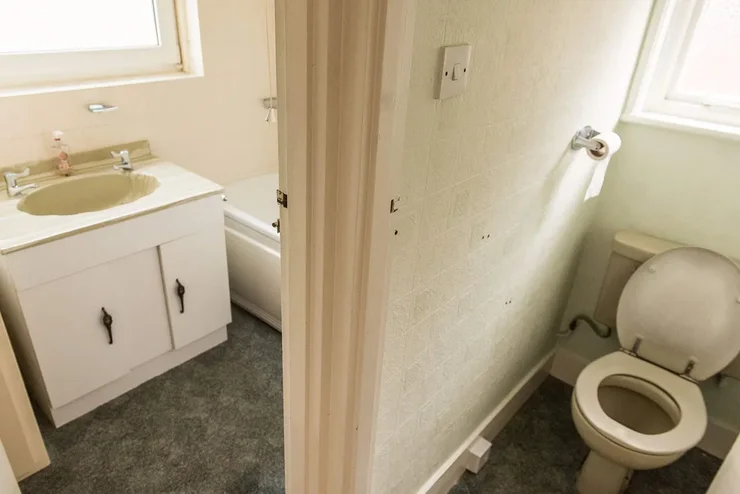
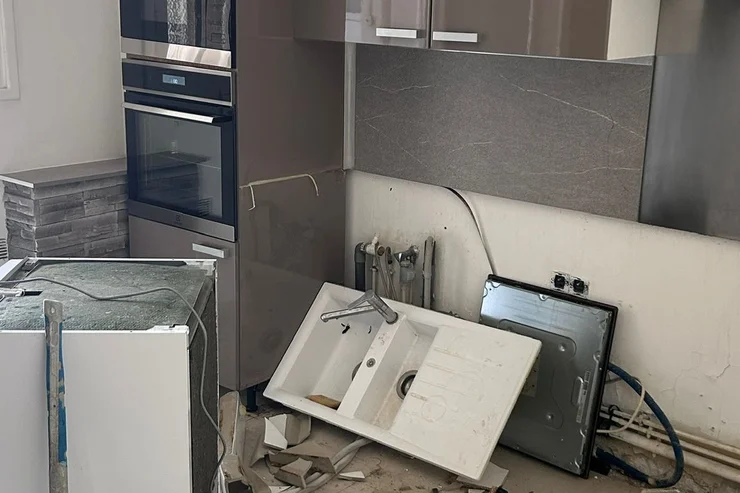
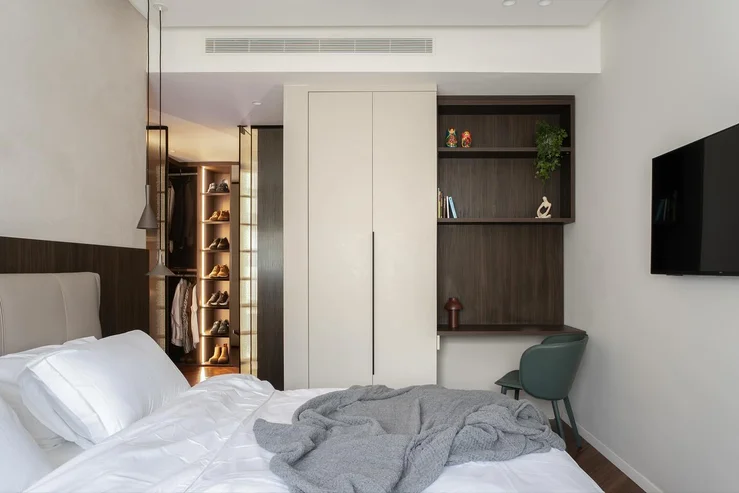
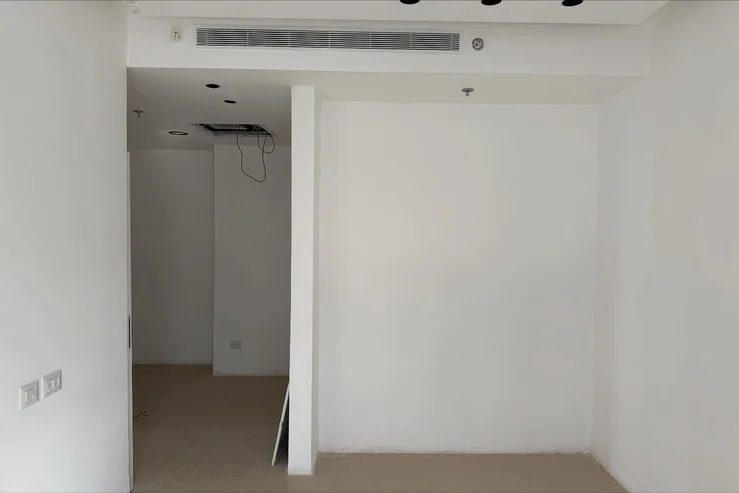
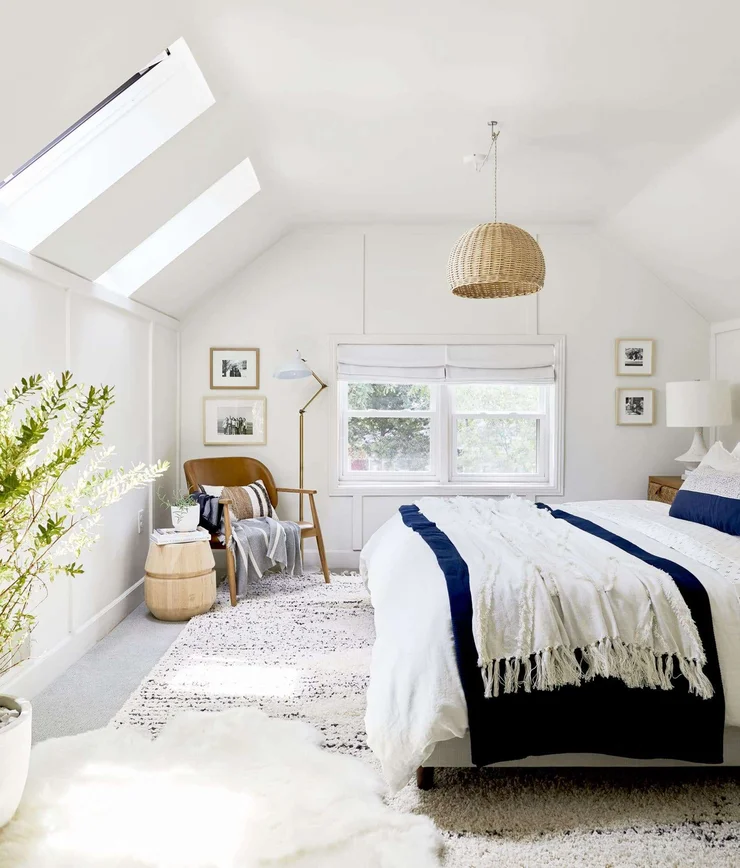
Updating an older home is rarely just about appearance. Most homeowners start thinking seriously about remodeling because their space no longer fits the way they live. Rooms may feel closed off, storage may be limited, finishes may be dated, or the overall layout may not support everyday routines. A well-planned home remodeling Chicago project can solve those problems by improving function, comfort, and the long-term usability of the home.
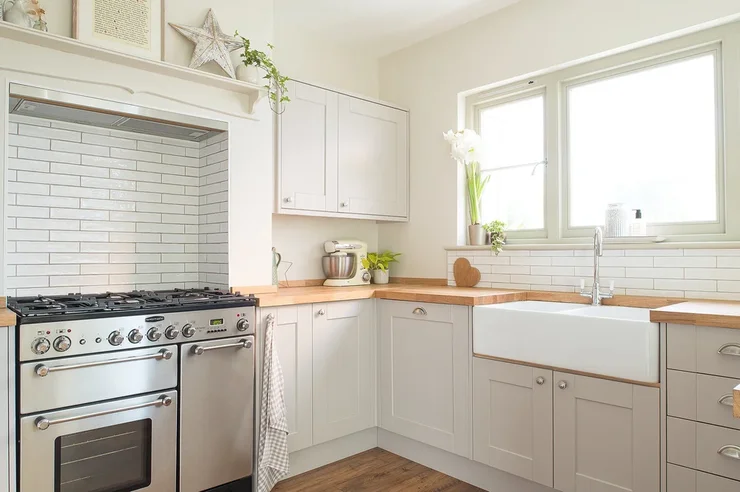
For many households, the goal is not to leave the neighborhood or start over somewhere else. It is to make the current property work better. That may mean opening up the main living area, updating a kitchen and bathrooms as part of a larger plan, improving circulation between rooms, or creating a cleaner and more cohesive interior. Strong remodeling work is not just about changing surfaces. It is about making the house feel more efficient, more comfortable, and better suited to daily life.
If you are planning a Chicago home remodeling project, it helps to start with the way the home is used right now. Which areas feel tight, outdated, or disconnected? Where does the layout slow down everyday routines? Which spaces need to be more flexible for work, family life, entertaining, or quiet downtime? The answers to those questions shape the most useful improvements and help create a renovation plan with real purpose behind it.
Why homeowners choose to remodel instead of move
Remodeling often makes sense when the home has a good location, solid potential, and enough underlying value to justify thoughtful upgrades. Instead of taking on the cost and disruption of moving, many owners prefer to improve what they already have. A carefully planned home renovation Chicago project can help preserve what you like about the property while fixing the parts that no longer work well.
That is especially important in homes where the structure, neighborhood, or character still make sense, but the interior no longer matches current needs. In these situations, remodeling becomes a way to keep the advantages of the property while improving the way it functions day to day. A thoughtful plan can help the home feel more open, more organized, and more aligned with the people living in it.
Many projects begin with a broad goal and become more refined over time. One homeowner may want a more connected first floor and better flow between kitchen, dining, and living spaces. Another may need improved storage, more comfortable bathrooms, updated finishes, and better use of underperforming rooms. A full Chicago home remodel can bring those ideas together into one coordinated plan instead of a series of disconnected updates.
What home remodeling can improve
A well-structured home remodel Chicago project can do much more than make a house look newer. It can improve how the home supports daily life. That includes movement between rooms, natural gathering spaces, privacy where it is needed, and better alignment between form and function.
- Improve layout and circulation throughout the home
- Update outdated interiors with a more cohesive design direction
- Create more practical storage and reduce visual clutter
- Make everyday routines easier through better room planning
- Support long-term comfort and changing household needs
- Bring underused rooms back into regular use
The best remodels are rarely the ones with the most dramatic finishes alone. They are the ones that solve real space problems clearly and effectively. When a renovation is rooted in the way the household actually lives, the results tend to feel more natural and more lasting.
Planning home remodeling in chicago with the whole house in mind
Successful home remodeling in Chicago starts with understanding how each room relates to the next. A home should feel connected, not pieced together. That is why remodeling works best when decisions about layout, finishes, lighting, storage, and function are considered as part of a larger plan rather than made one room at a time without coordination.
Even when the project is phased, it helps to think about the overall direction early. That approach can make material choices more consistent, reduce repetitive work later, and create a home that feels intentional from front to back. Remodeling is not only about upgrading individual spaces. It is also about improving how the entire home works together.
Types of projects often included in a full-home renovation
Every property is different, but a strong Chicago home renovation plan may include several coordinated improvements across the interior. Depending on goals and scope, homeowners often focus on a mix of structural layout updates and finish-driven improvements.
- Reworking main-floor flow for better openness and circulation
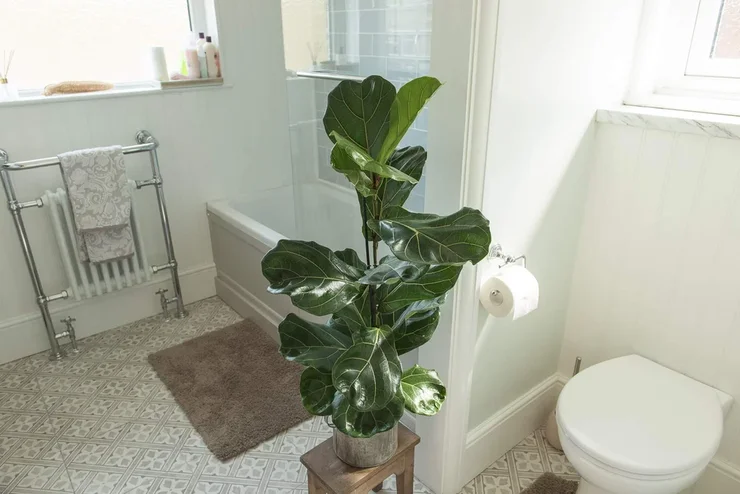
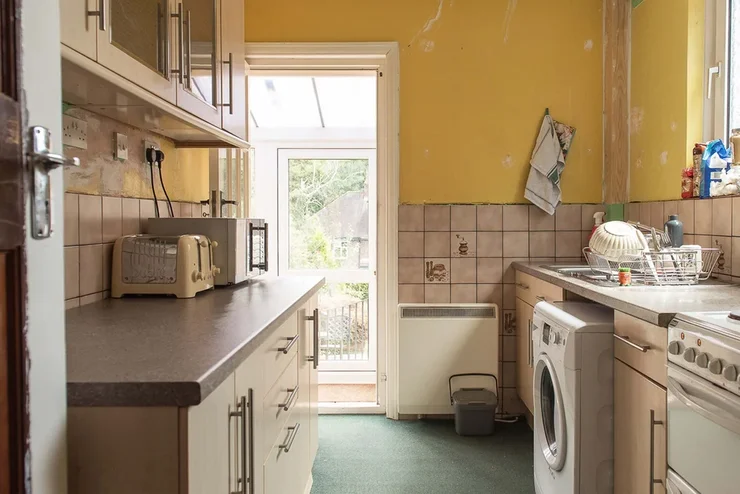
- Updating kitchens and bathrooms as part of a larger design plan
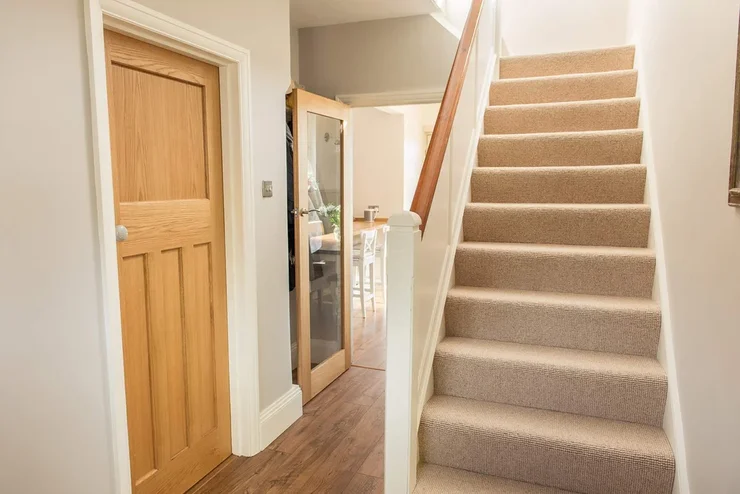
- Improving flooring, trim, doors, and wall finishes throughout the home
- Refreshing lighting to create a brighter and more functional interior
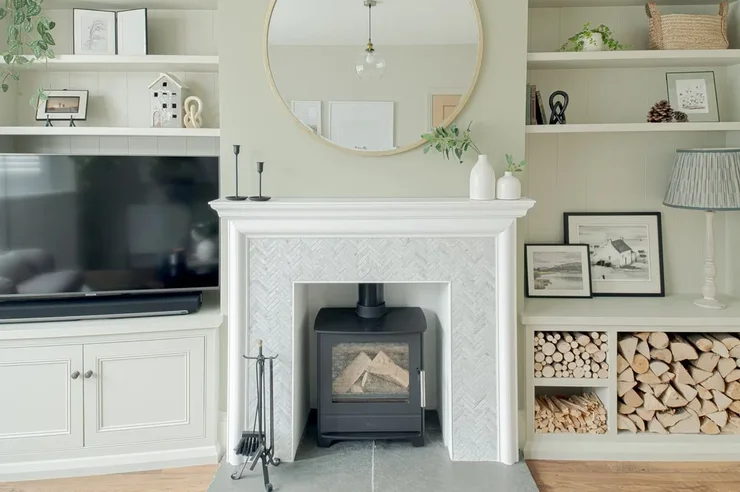
- Adding built-ins, storage features, or more efficient room organization
- Creating more flexible rooms for work, guests, hobbies, or family life
Some homeowners prefer targeted upgrades in the areas they use most, while others move forward with a broader whole-home approach. In both cases, the key is having a clear scope and a practical sequence so the results feel complete rather than piecemeal.
Why experience matters in larger remodeling projects
When a project affects multiple rooms or major parts of the house, coordination becomes just as important as design. Homeowners looking for home remodelers Chicago are often trying to find a team that can help translate a broad vision into a manageable process. Larger renovations require more decisions, more sequencing, and more attention to how one upgrade affects another.
That is why clear planning matters so much. Material choices, room priorities, layout changes, lighting, and finish continuity should all support one another. A well-organized process can reduce uncertainty and help homeowners make good decisions without feeling buried in options.
Luxury remodels should still be practical
A luxury home remodel Chicago project can absolutely include elevated materials, refined finishes, and custom details, but the strongest high-end results are still grounded in everyday use. Luxury should not mean overcomplication. It should mean a home that feels better organized, better built around the household, and more comfortable to live in over time.
That may involve cleaner transitions between rooms, more thoughtful storage, better lighting layers, stronger finish consistency, or custom features tailored to the home’s layout. Quality is not just visual. It is also functional. A refined result should make the home easier to enjoy, not harder to maintain.
Interior remodeling with function at the center
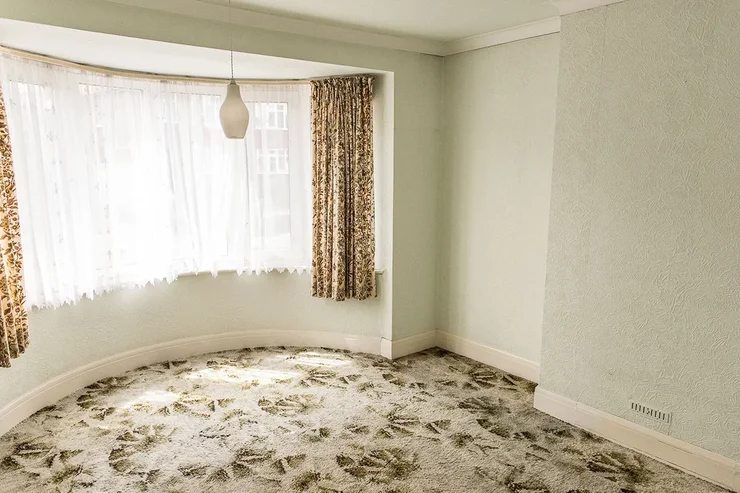
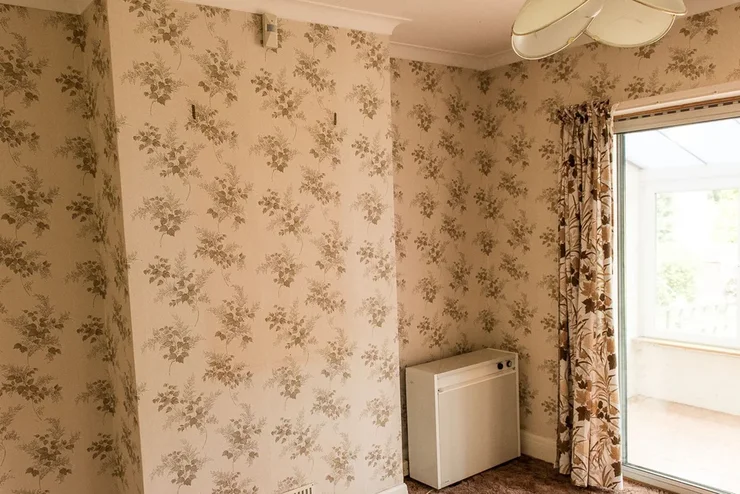
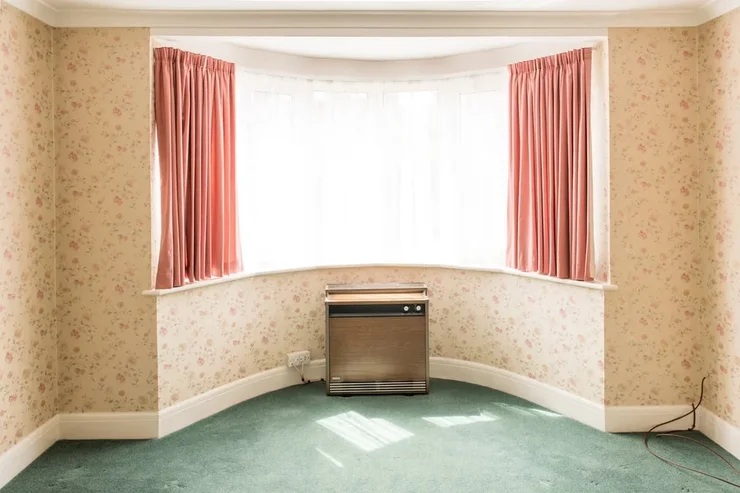
Many homeowners begin with interior remodeling Chicago because the problem is not the size of the property itself. The issue is how the inside of the home performs. In older homes especially, the layout may reflect past needs rather than current living patterns. Rooms can feel too segmented, circulation may be awkward, and storage can fall short of what modern households need.
Interior remodeling creates the chance to rethink how the home flows from one room to the next. It can bring more consistency to finishes, make shared spaces more useful, and turn isolated or inefficient areas into rooms that support daily life more naturally.
What working with a chicago home remodeler should feel like
Choosing a Chicago home remodeler is not just about hiring someone to update surfaces. It is about finding a process that helps clarify priorities, organize decisions, and bring the home into a more functional and cohesive state. A strong remodeling approach should create structure from the beginning, so the project feels understandable instead of chaotic.
That includes identifying the biggest pain points in the home, determining which changes will have the most impact, and building a plan that makes sense for the budget and scope. Good remodeling is not random improvement. It is a series of connected decisions that produce a better overall living environment.
How it works
If you are comparing home remodelers, it helps to understand the steps behind a well-run remodeling project.
- Initial consultation — Start with the home’s current challenges, your goals, and the rooms or systems that need the most attention.
- Walkthrough and evaluation — Review the existing layout, identify opportunities, and discuss how different spaces could function better.
- Scope and planning — Turn those goals into a practical remodeling strategy that defines priorities, room relationships, and finish direction.
- Selections and design coordination — Align materials, fixtures, surfaces, lighting, and details so the home feels cohesive rather than patched together.
- Construction phase — Complete the remodeling work according to the approved scope and sequence of the project.
- Final review — Walk through the completed spaces and confirm that the renovation supports the original goals for comfort, function, and appearance.
Benefits of a well-planned remodel
Strong remodeling work improves more than aesthetics. It can change the way the home feels on a daily basis and make the property easier to live in over the long term.
- Better use of existing square footage
- More comfortable and functional shared spaces
- Cleaner design continuity throughout the interior
- Improved organization and storage opportunities
- Greater flexibility for family life, work, and entertaining
- A home that reflects current needs instead of past limitations
Examples of remodeling goals homeowners often have
Opening up the main living area
Some homeowners want to reduce the closed-off feel of older layouts and create a more connected relationship between the kitchen, dining, and living areas. This can improve both daily flow and the way the home handles gatherings.
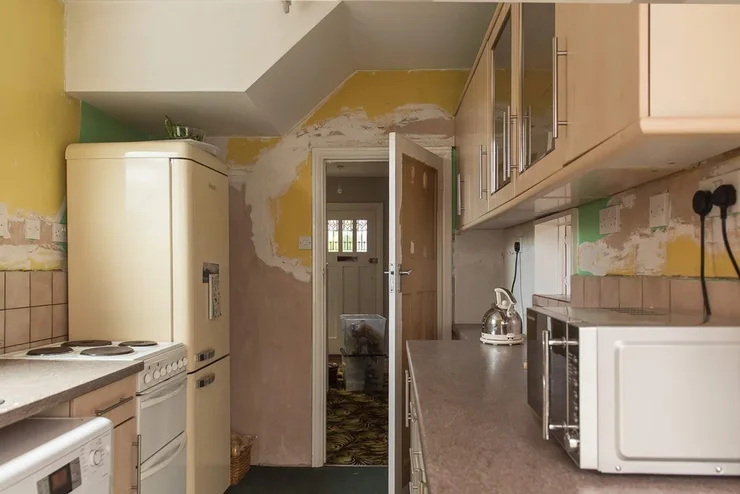
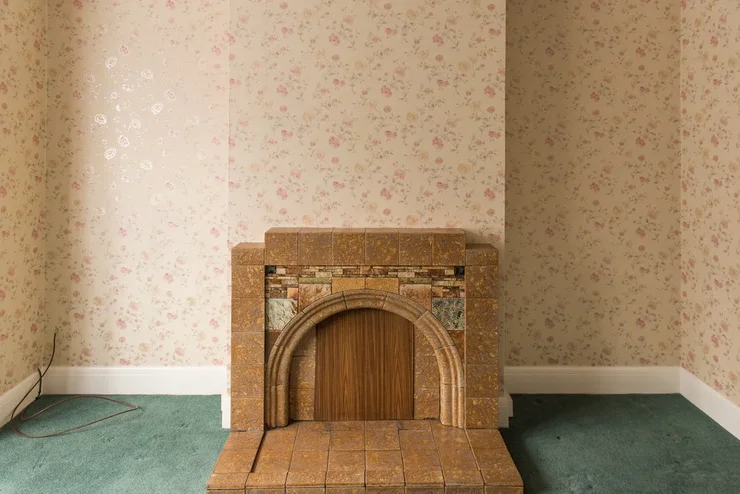
Updating a dated interior
Others want a complete visual reset, replacing mismatched finishes, aging surfaces, and disconnected room styles with a more unified direction. In many custom home renovations in Chicago projects, consistency is just as important as the individual upgrades themselves.
Making room for work and flexibility
Homes that once functioned well may need new purpose as work patterns, family needs, or routines change. Remodeling can help carve out office space, improve quiet zones, or make underused rooms more versatile.
Improving comfort in everyday-use spaces
Projects often focus on the rooms that carry the most daily traffic, such as kitchens, bathrooms, hallways, and family spaces. Better planning in these areas can have an outsized effect on the way the entire house feels.
Why whole-home planning creates better results
Even when the work is phased, it is smart to think about the home as one connected environment. That helps avoid design conflicts, repeated labor, and finish decisions that feel disconnected later. A renovation plan should not just solve one room at a time. It should help the house operate better as a whole.
That approach also gives homeowners a clearer framework for priorities. Instead of reacting to each problem separately, you can decide what improvements should come first, what can happen next, and how each change supports the larger direction of the home.
Frequently Asked Questions
What is the difference between remodeling and renovation?
People often use the terms interchangeably, but remodeling usually suggests more meaningful changes to layout, function, or room use, while renovation can also include updating finishes and refreshing existing spaces. Many projects include both.
Should I remodel the entire home at once or in phases?
That depends on your goals, priorities, and how connected the project areas are. Some homes benefit from a full coordinated approach, while others make more sense as phased work guided by one overall plan.
What rooms usually have the biggest impact?
Kitchens, bathrooms, main living spaces, and circulation areas often shape daily comfort the most. However, the right priorities depend on how your household actually uses the home.
How do I know if the layout should change?
If rooms feel closed off, awkward to move through, hard to furnish, or disconnected from daily routines, a layout update may be worth considering. Function problems often become the clearest signal.
Is a whole-home remodel only for large houses?
No. Remodeling can be just as valuable in smaller homes where every room needs to work harder. In many cases, thoughtful planning matters even more when square footage is limited.
Ready to plan your project?
If your home no longer fits the way you live, a clear remodeling plan can help you make better use of the space you already have. Whether you are updating a few key rooms or rethinking the interior more broadly, a well-organized project can improve comfort, flow, and day-to-day function throughout the house.
Contact chicago-renovation.com to discuss your goals, explore practical renovation options, and start planning a home remodeling project that feels cohesive, useful, and built around the way you live.